Starting a keto diet is exciting. You’ve probably seen stories online of people losing weight, feeling more energetic, and even reversing health issues. But here’s the part most blogs don’t tell you: the first few weeks can also feel confusing. You might be asking, “Why am I tired all the time? Am I doing this wrong?”
The truth is, many beginners run into the same common mistakes — and that’s okay. Mistakes don’t mean you’ve failed; they’re just stepping stones. Once you recognize them, you can fix them and make keto work for your lifestyle.
Why Beginners Struggle with Keto
The Excitement vs. The Reality
Most people start keto full of motivation. You’ve heard success stories and expect results fast. But when the initial “honeymoon phase” wears off, fatigue, cravings, or confusion can hit hard. This gap between expectation and reality often causes beginners to give up too soon.
👉 If you’re just starting out, check our Ultimate Guide to Keto Meal Plans for Beginners for a clear roadmap before diving in.
Why Small Mistakes Can Derail Progress
On keto, details matter. Even small missteps — like too much protein, hidden sugars, or skipping electrolytes — can push you out of ketosis. The good news? Once you know what these mistakes are, they’re easy to correct.
Let’s break down the most common keto mistakes and what you can do instead.
1. Eating Too Little Fat
Keto is about shifting your body from using carbs to using fat as fuel. If you cut carbs but don’t increase fat, you’ll end up exhausted and constantly hungry.
Example: Imagine skipping bread and pasta but still eating lean chicken and salad with no dressing. That’s low-carb, but not keto.
How to avoid it:
- Add avocado slices to your salad.
- Cook with butter, coconut oil, or olive oil.
- Snack on macadamia nuts or cheese when cravings hit.
2. Trusting Processed “Keto” Snacks
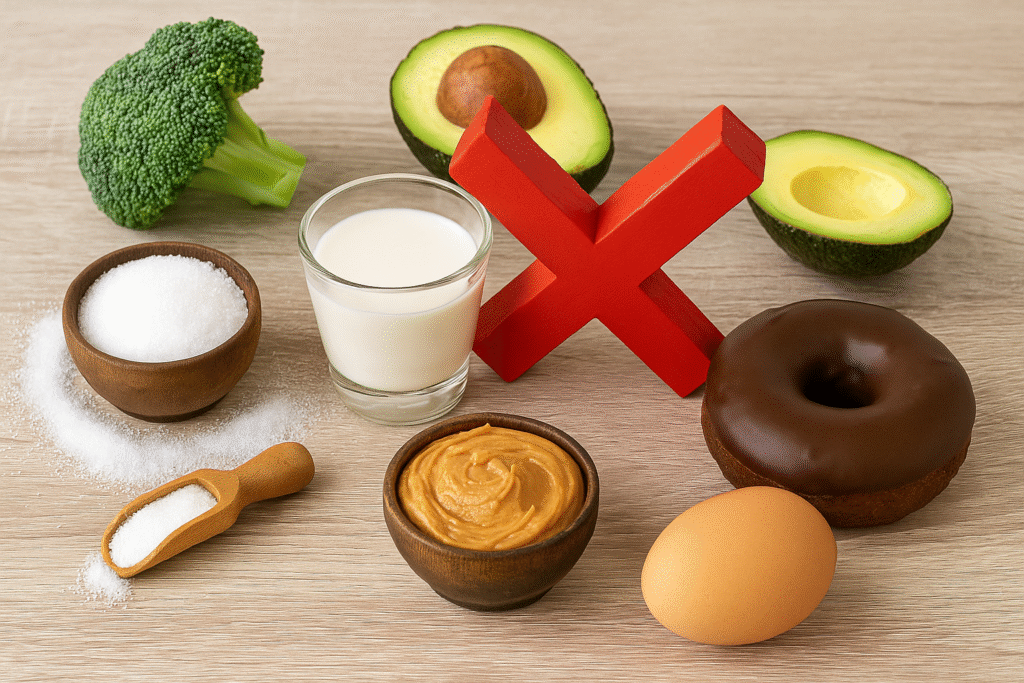
It’s tempting to grab packaged keto bars or cookies. But many contain hidden carbs, sugar alcohols, and fillers that slow fat loss.
Example: A bar labeled “keto-friendly” may have 7–9 grams of net carbs — almost half of your daily limit.
How to avoid it:
- Read labels carefully.
- Use packaged snacks for emergencies, not daily meals.
- Focus on whole foods: eggs, nuts, cheese, or homemade fat bombs.
3. Ignoring Electrolytes
The infamous “keto flu” — headaches, dizziness, brain fog — often comes from lost electrolytes. When you lower carbs, your body releases more sodium and water.
How to avoid it:
- Add a pinch of salt to your water.
- Drink bone broth or electrolyte drinks (without sugar).
- Eat spinach, pumpkin seeds, and avocado for magnesium and potassium.
4. Eating Too Much Protein
Keto isn’t a high-protein diet. Extra protein can be converted into glucose through gluconeogenesis, pulling you out of ketosis.
Example: A huge steak dinner with almost no fat or veggies might spike your protein too high.
How to avoid it:
- Balance your plate: moderate protein, high fat, low-carb veggies.
- Think: 3–4 oz chicken breast with roasted zucchini in olive oil.
5. Skipping Vegetables
Some beginners avoid all vegetables out of carb fear. But fiber and micronutrients are crucial for digestion and long-term health.
How to avoid it:
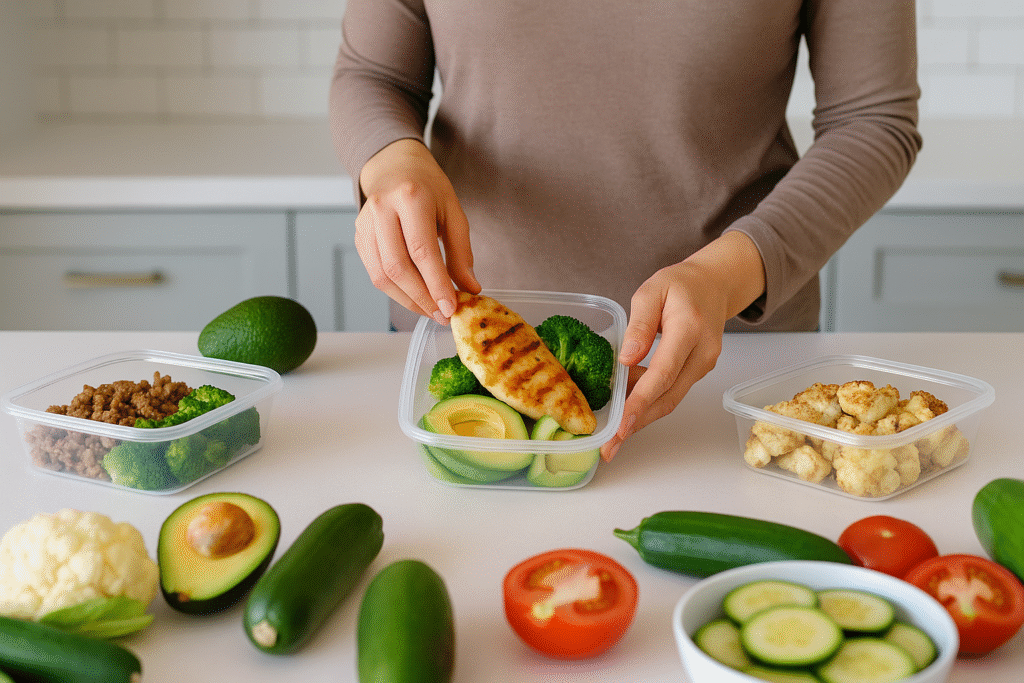
- Stick with low-carb veggies: broccoli, cauliflower, zucchini, leafy greens.
- Make cauliflower rice or zucchini noodles as meal bases.
6. Forgetting to Plan Ahead
Without a plan, it’s easy to give in to cravings or grab fast food. That “just once” burger bun or fries can undo progress.
How to avoid it:
- Prep meals on Sundays: boiled eggs, grilled chicken, roasted veggies.
- Keep quick options handy: deli turkey, cheese sticks, or keto chia pudding.
- Follow a simple 7-Day Keto Meal Plan to stay consistent.
7. Expecting Overnight Results
The internet loves dramatic “before and after” photos. But what you don’t see are the weeks (or months) of consistency. Weight loss, clearer skin, or better energy takes time.
How to avoid it:
- Track non-scale wins: fewer cravings, better sleep, improved focus.
- Celebrate small milestones like sticking to your plan for a week.
8. Neglecting Sleep and Stress
This is a big one most keto blogs ignore. High stress and poor sleep raise cortisol, making it harder to burn fat — even on keto.
How to avoid it:
- Aim for 7–8 hours of sleep.
- Try journaling, light yoga, or walks to reduce stress.
- Don’t just focus on food; think of keto as part of your whole lifestyle.
Final Thoughts
Making mistakes on keto doesn’t mean failure. It means you’re learning. Each adjustment brings you closer to results — more energy, balanced appetite, and steady fat loss.
Focus on real food, healthy fats, hydration, and a little planning. Give your body time, and keto will reward you with lasting changes.
👉 For a full roadmap, don’t miss our Ultimate Guide to Keto Meal Plans for Beginners.
👉 Need a jumpstart? Grab our Easy 7-Day Keto Meal Plan — perfect for avoiding these mistakes and staying on track.